Helping Quechua Communities Shape Their Future with AI
CHIA Research Engineer Elwin Huaman grew up speaking Quechua at 4,100 metres in the Peruvian Andes. Together with his community, he is now building an ecosystem in which Quechua speakers can shape language technology on their own terms.
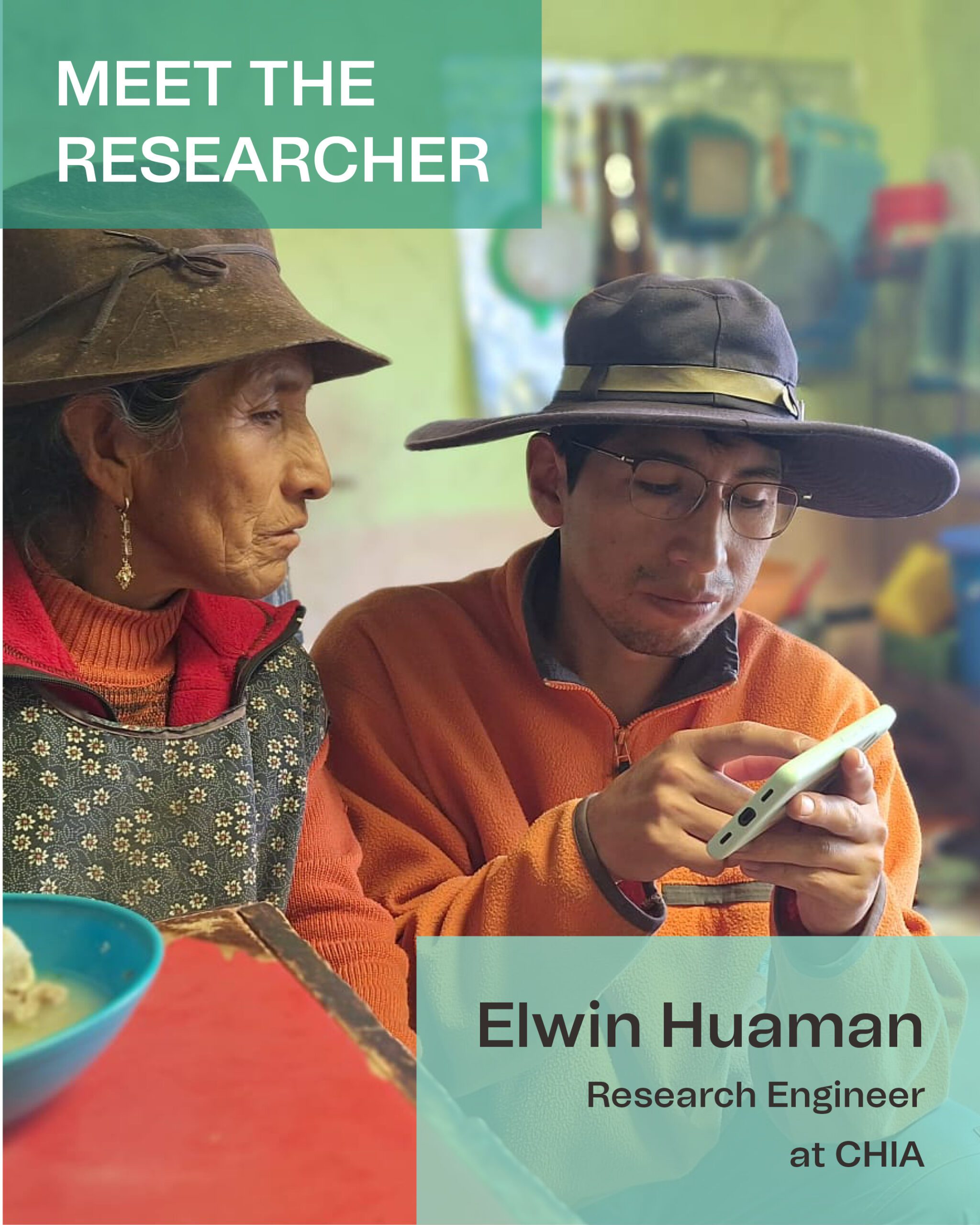
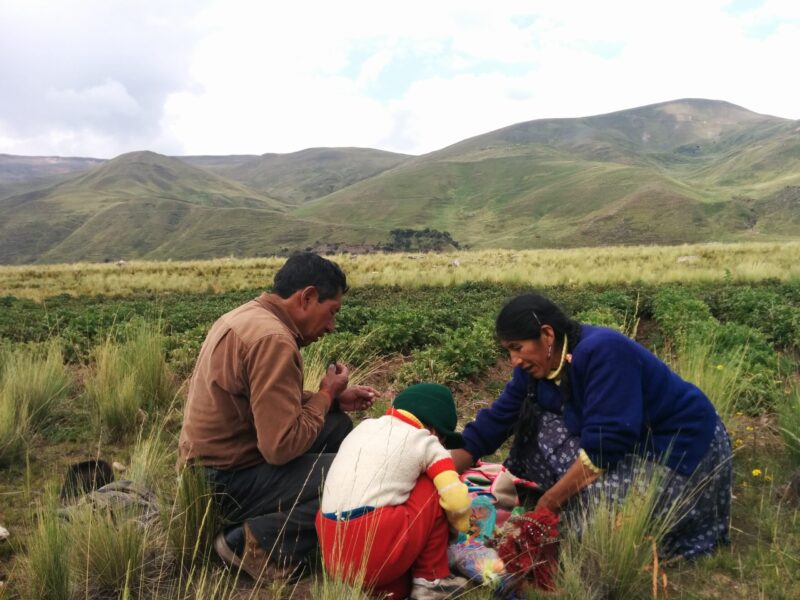
For Elwin Huaman, the future of Quechua is personal.
He was born and raised in Nuñoa, southern Peru, where Quechua is his mother tongue. His family maintains traditions of alpaca herding and cultivating native potatoes, alongside a language that lives primarily in speech.
But the language spoken in his community has had limited support in the digital world. A study by CHIA-affiliated researchers highlights how unevenly the world’s languages are represented in the AI ecosystem.
“I think my generation could be the last that still masters Quechua.”
— Elwin Huaman, 2023
Elwin studied in Puno and founded QuechuaBase.org before joining the Centre for Human-Inspired Artificial Intelligence (CHIA) at the University of Cambridge.
Puno Quechua has close to half a million speakers. It is described as a low-resource language because comparatively little digital data and language technology is available for it.
When Elwin began, digital resources and language tools for Puno Quechua were scarce. What existed was a community of speakers determined to make their language heard and represented.
The community shapes what gets recorded
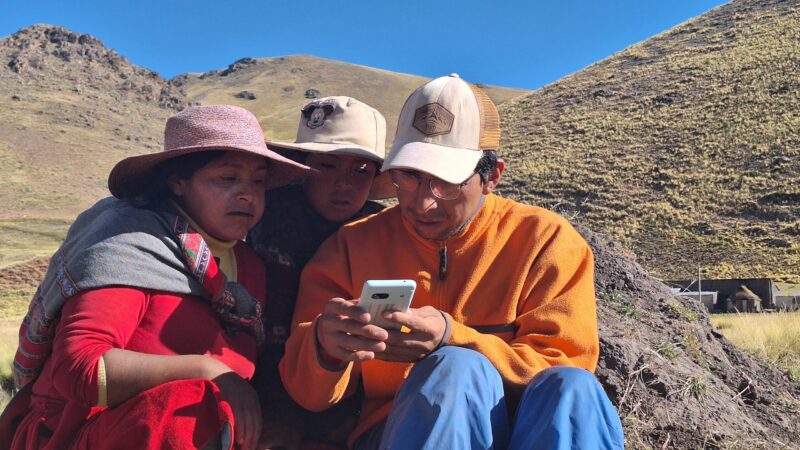
An early effort brought Puno Quechua onto Common Voice, with about 12 hours of speech from 14 contributors by October 2025.
A broader campaign followed in January and February 2026, working with the National University of Altiplano of Puno, the Puno Regional Government and the local community Illariy Ch’aska.
The campaign attracted 396 registered volunteers, of whom 151 contributed recordings. Community members helped decide what was recorded and what counted as non-sensitive data.
The resulting corpus – a collection of recordings used for research – contains 66 hours of scripted and spontaneous speech. This includes 36 hours manually transcribed and validated. The datasets and adapted models have been openly released to support further research.
“Communities should hold their own data and be the ones who validate what machines produce.”
— Elwin Huaman, 2026
Starting with speech
For communities whose languages are used primarily through speech, technology that depends on reading and writing can create barriers.
Elwin’s work explores a different starting point: interaction guided by speech. Automatic speech recognition, which converts spoken words into text, is one part of that approach.
The wider ambition includes supporting literacy, developing open educational resources and creating language-learning tools. These applications connect technical research with opportunities for speakers to use and learn their language.
Beyond a benchmark score
The research also examines how well speech-recognition models work for Puno Quechua.
In the study’s in-domain evaluation, a model of about 317 million parameters, adapted using the community’s corpus, outperformed a much larger model of 7.8 billion parameters covering more than 1,600 languages.
The comparison shows the value of speech data that represents the language variety a system is intended to serve. It does not mean that a smaller model will perform better in every setting.
Accuracy is also only one measure of success. Researchers often assess speech recognition through word error rate: how many words a system gets wrong when transcribing speech.
Elwin argues for evaluation that also considers real-world use, the devices available to speakers and cultural alignment – with communities involved in deciding what success means.
A language appearing on a system’s list of supported languages does not necessarily show how well it serves all speakers. Elwin calls for performance to be reported across accents, varieties, genders, ages and other demographic groups, alongside attention to speech impairments and disfluency.
Keeping skills in the community
Elwin’s work extends beyond datasets and models to the people who will develop and maintain language technology.
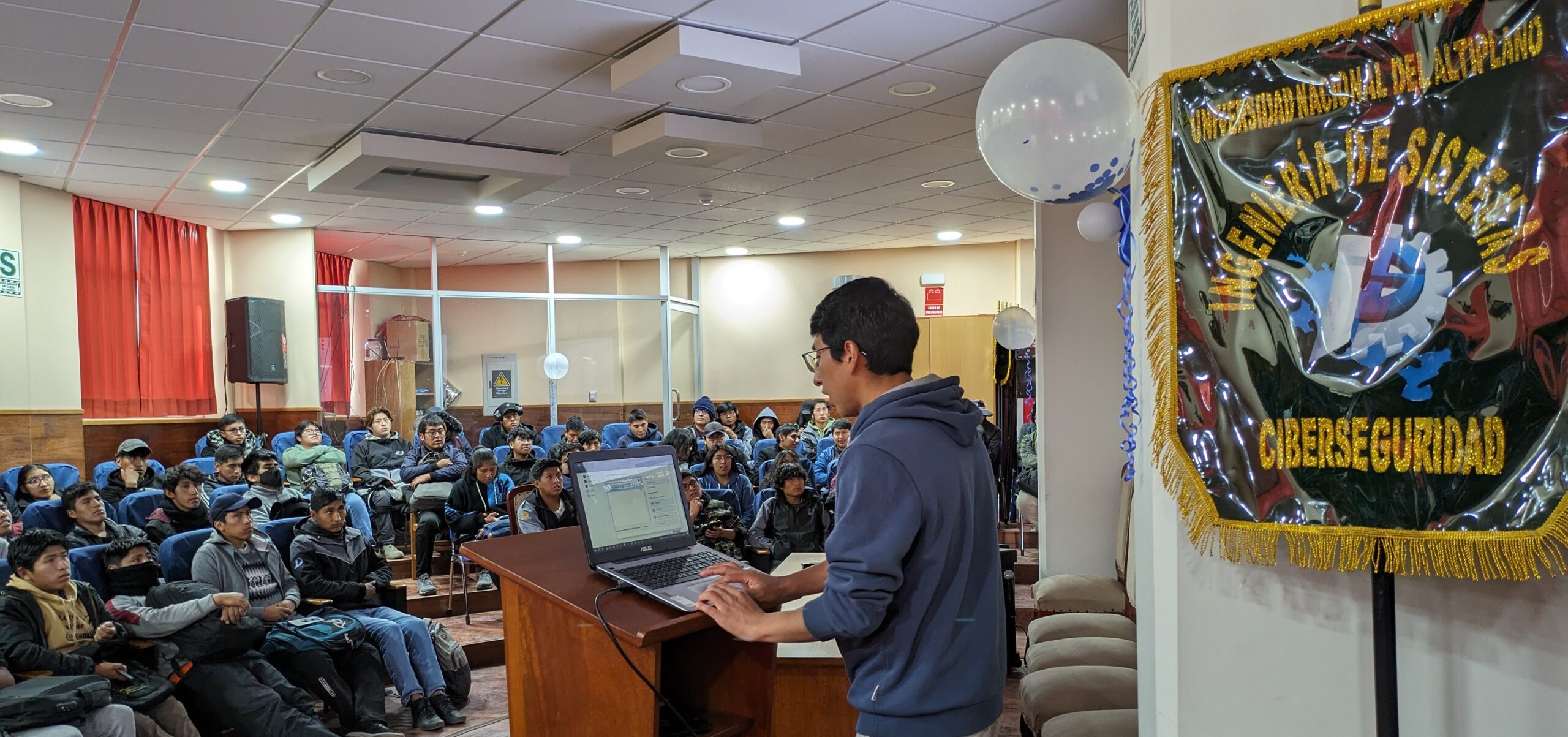
He and his collaborators organised campaigns that trained speakers and introduced participants to AI, aiming to establish sustained engagement rather than one-off data collection.
His work also supports regional technical talent through the National University of Altiplano of Puno, and wider South American participation through shared research tasks.
The ambition is for communities to have the skills to build their own tools and make decisions about how those tools develop.
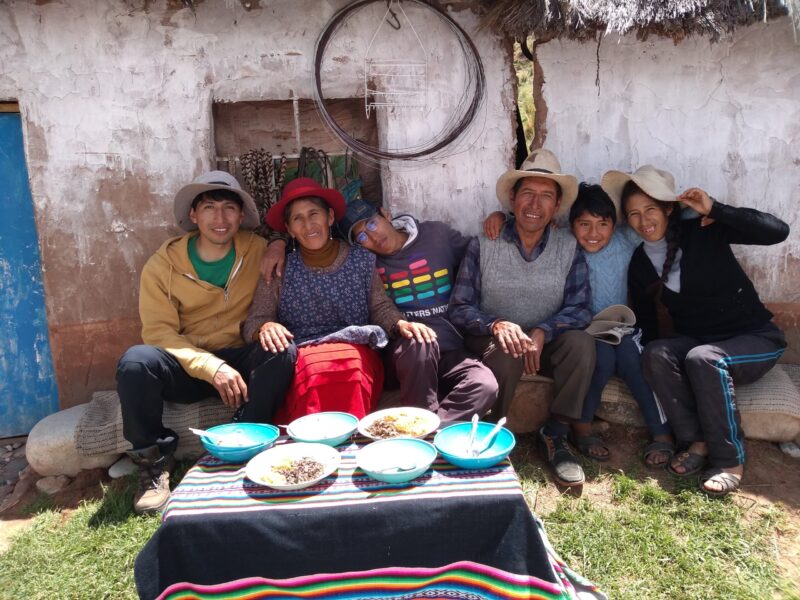
A future shaped by its speakers
The corpus is a beginning. Elwin’s wider work includes text-to-speech voices for Puno Quechua and emotion recognition in Quechua languages.
He is also organising a shared task inviting participants to develop language technology for Indigenous languages of South America.
Across these efforts, the guiding principles are to document languages so future generations can make their own decisions; build technical skills within communities; expand AI literacy; and develop technology with limited resources in mind.
The longer aim is an ecosystem in which Indigenous language communities can build, maintain and govern the tools they choose to use.
The reason for that work is captured by one participant:
“…so that my native language will remain alive for generations to come.”
— Puno Quechua community member, aged 45
References
- Building Community-Centred NLP Resources for Puno Quechua, AmericasNLP 2026.
- Quechua Speech Datasets in Common Voice: The Case of Puno Quechua, 2025.
- CHIA study on inequalities in language AI and open-access Readiness Index, 2026.
- Elwin Huaman, University of Innsbruck, 2023.
- SIMBig 2026 Shared Task.
Published: 20 October 2026
Photography: Elwin Huaman Archive
Elwin’s research areas
- AI for Global Development
- Fundamentals of Human-Inspired AI
- Responsible AI