AI for Global Development
AI at the source of sustainable global change



Programme Information
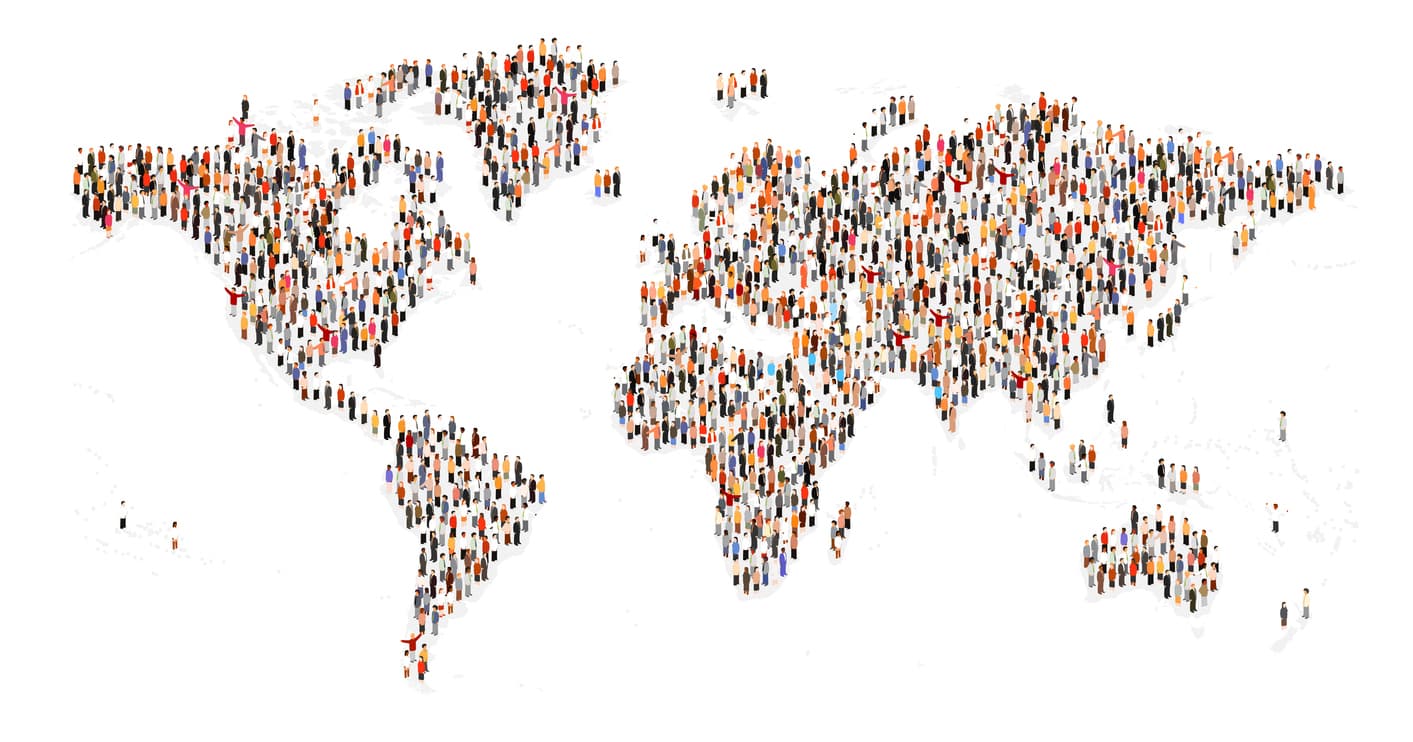
AI for Global Development is a research theme at CHIA that investigates how AI can be used to support inclusive and equitable progress across the world, with a particular focus on under-resourced regions and communities. The programme explores how AI can contribute to development goals in areas such as education, public services, crisis response, infrastructure, livelihoods, health and more—where technological innovation has the potential to make a significant difference. We examine both the opportunities and the challenges of applying AI in development contexts, including issues related to data availability, infrastructure, linguistic and cultural diversity, and local capacity. Our work also addresses structural inequalities in AI research and development, aiming to ensure that global populations—especially those underserved—can shape and benefit from technological advances. By bringing together interdisciplinary expertise and working in partnership with global stakeholders, this theme seeks to advance responsible, context-sensitive approaches to AI that serve the needs and priorities of diverse communities worldwide.
Featured
The Youth AI Survey 2026
This survey asks young people (aged 18-35) around about their AI use, the barriers they face, their concerns, and what they want for the future. The survey recorded high responses in Angola, India, Kenya, Nepal, Nigeria, Sierra Leone, Tanzania, Uganda, United Kingdom, Zambia, and Zimbabwe. This work is a collaboration between CHIA, Makerere University, and the international youth NGO Restless Development.
Project Lead: Anna Barford
Read the full report: Work, study and leisure in the age of artificial intelligence: Youth AI Survey 2026

EQUATE Project
The EQUATE project aims to establish an approach to language AI that prioritises global fairness and inclusivity. The project profiles the world’s languages and language populations in terms of their readiness for NLP and designs transformative approaches that can be applied to make the language technologies globally more equitable.
Project Lead: Anna Korhonen